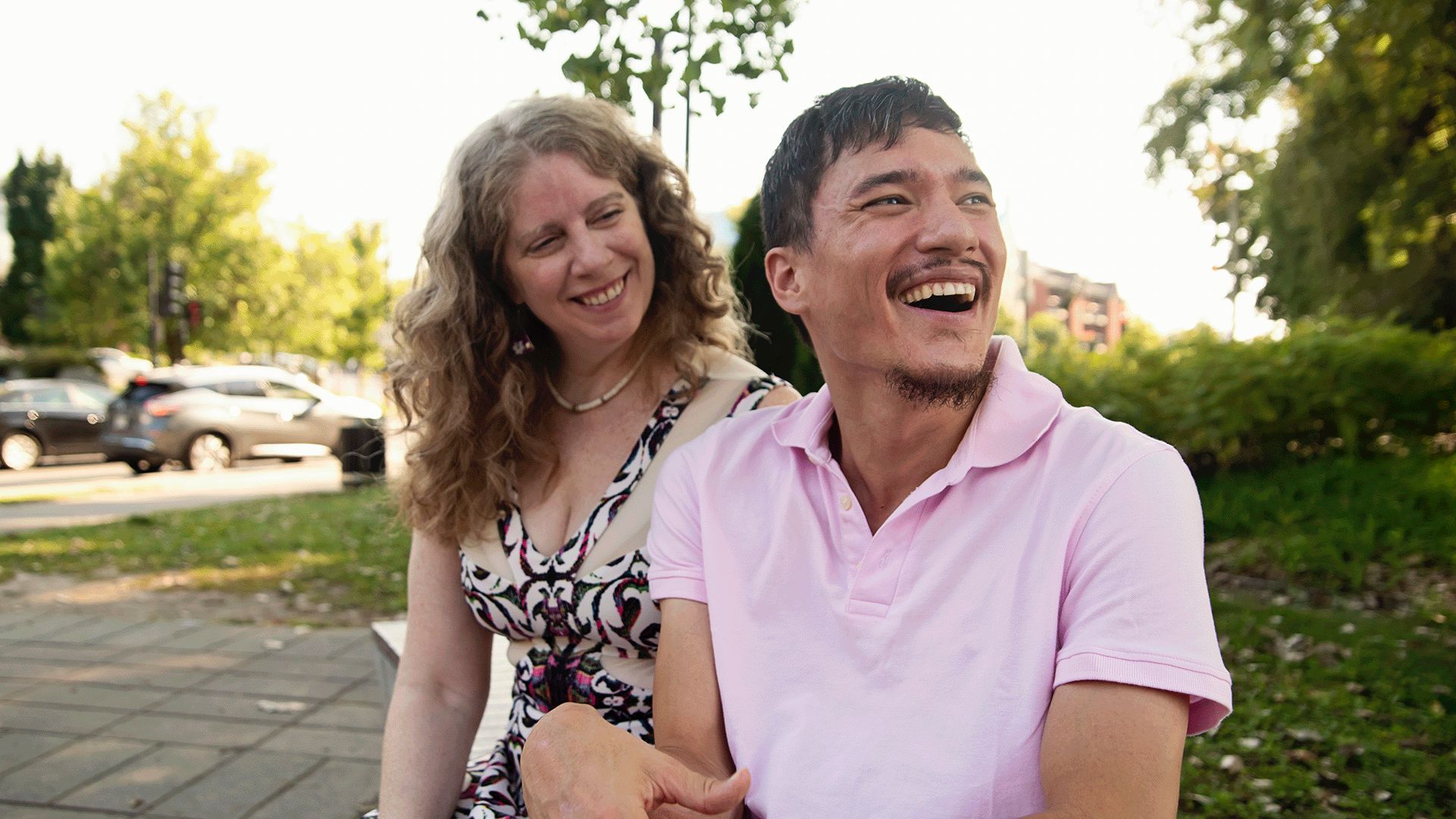




Alex and his parents are fictional characters created to illustrate experiences shared by many real families.
要了解如何 全人護理 approach might work in practice, imagine Alex, a hypothetical child, and his fictional parents. Alex and his family were first introduced in our California Self-Determination Program Guide, which follows their journey as they navigate developmental differences, explore services and build a network of support around their child.
When Alex was 2 years old, his parents noticed he wasn’t reaching developmental milestones in the same way as other children his age. After speaking with their pediatrician, the family was referred to their local Regional Center. Following an evaluation, Alex became eligible for services and began receiving early intervention and developmental support.
Now, at 5 years old, Alex is entering a new stage of childhood. His interests are growing, his personality is shining through, and his family’s goals are evolving.
As Alex’s parents continue exploring services and supports for Alex, they begin thinking about more than his developmental milestones. They want to make sure he has opportunities to participate in his community, explore his interests, build relationships and develop skills that will serve him as he grows.
At the same time, they recognize that their own circumstances and well-being matter, too.
And that’s where whole-person care comes into the picture.
Looking Beyond Traditional Services: Understanding Alex’s Needs
Like many children, Alex has needs that extend beyond his developmental and behavioral health services.
His parents want him to have opportunities to make friends, participate in activities he enjoys and become more comfortable in different social settings. They also want to help him develop everyday skills that will support his growing independence.
Through Pacific Clinics’ Needs Evaluation Tool, these types of needs can become part of a broader conversation about Alex’s well-being and the resources available to support him.
For example, depending on his individual circumstances, Alex might benefit from:
教育支援
Connections to school-based services, educational resources or additional support to help him participate and succeed in his learning environment.
Social Connections and Peer Support
Opportunities to practice social skills, build friendships and develop meaningful relationships with other children.
Recreation and Meaningful Activities
Access to community programs, recreational activities, arts, sports or other experiences that encourage him to explore his interests and develop confidence.
社區參與
Support accessing activities and experiences outside the home that help him become more comfortable in different environments and develop a sense of belonging.
Life Skills and Independence
Opportunities to practice age-appropriate everyday skills, build confidence and develop greater independence over time.
Developmental and Behavioral Health Services
Continued access to individualized services that support communication, emotional regulation, social development and other goals.
These needs are not necessarily clinical in nature, but they can play 發揮重要作用 in Alex’s overall development and quality of life.
Whole-person care for children and families is about recognizing that helping individuals like Alex thrive means supporting more than treatment needs. It also means creating opportunities to learn, connect, participate and discover what brings joy.
Our next blog in the whole-person care series drops Friday, December 4!
Missed part 1? Catch up here. ♡