



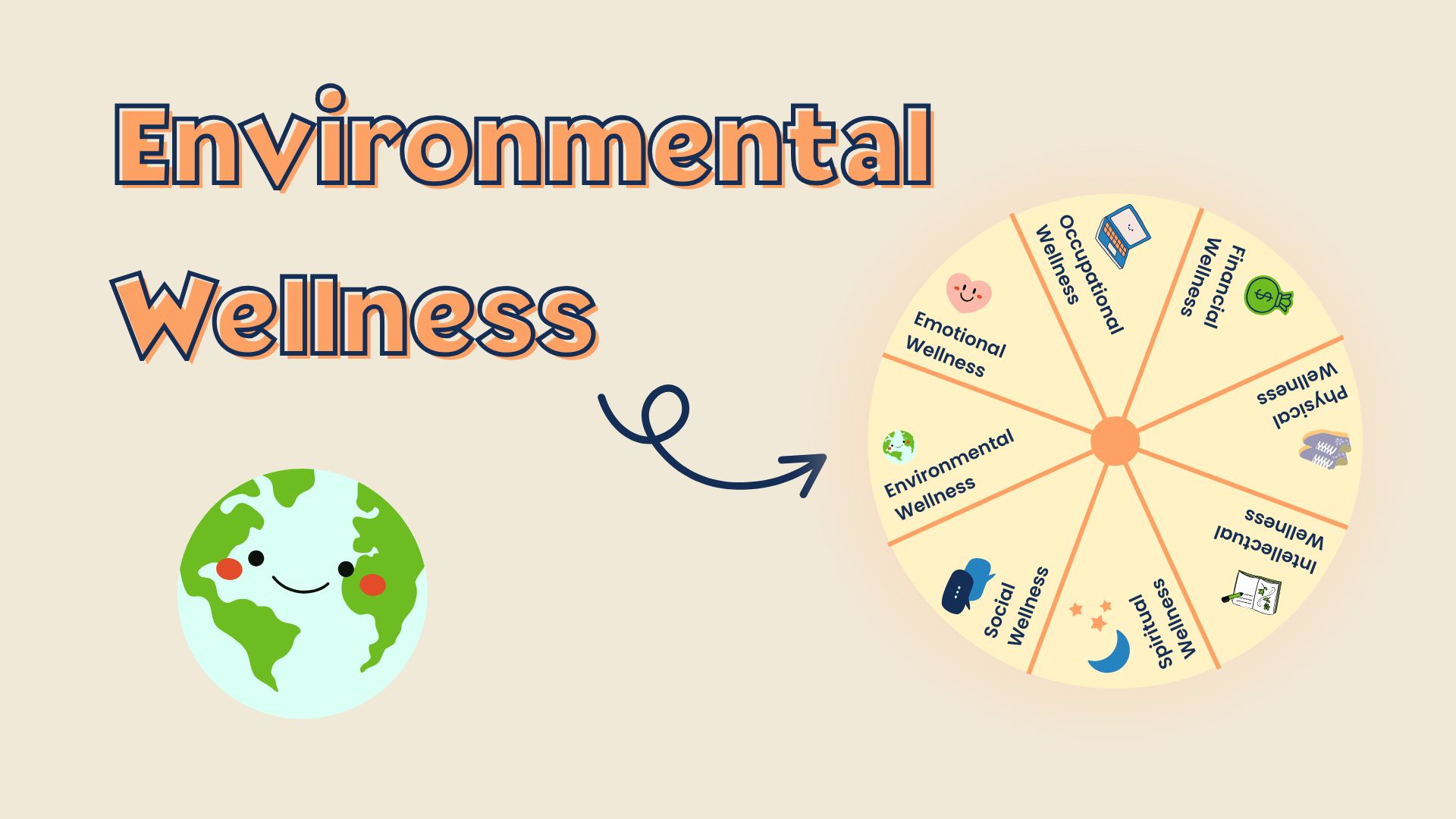
The Wellness Wheel is a tool used by psychologists to show how various areas of life contribute to overall well-being. It includes eight key dimensions: emotional, physical, social, spiritual, occupational, environmental, intellectual and financial health. Each month, we will explore a different element and its importance.
When most people think of environmental wellness, they default to saving the planet by recycling or reducing their carbon footprint. While true, environmental wellness also includes the connection between your health and the spaces where you live, work and play. A balanced environment supports your well-being by reducing stress and fostering an overall sense of harmony.
Being mindful of your immediate surroundings, your sustainability choices and how they impact your space and the world, is at the center of environmental wellness. According to the University of Waterloo, some helpful tips to sustain or maintain include:
- Creating healthy spaces by keeping your home and workspace clean, organized and well-lit. Natural light (or a SAD lamp), fresh air and a diffuser with essential oils can boost your mood and energy. Stanford neuroscientist Andrew Huberman recommends creating the perfect bedroom environment, which includes setting the temperature to 67 degrees Fahrenheit, using blackout curtains or masks and minimizing noise with earplugs or white noise.
- Practicing environmentally friendly actions, such as recycling, reusing materials and conserving energy, to reduce environmental impact (some habits utilized during the COVID-19 pandemic).
- Connecting with nature by spending time outside. Take long or short walks in the evening, at lunch or during breaks. Not only will you increase your vitamin D consumption, but you will also increase endorphins, reduce stress and get some exercise!
- Decorate mindfully by adding elements to your work and living spaces that bring you happiness, such as pictures, plants, or soothing colors, to make it feel more enjoyable.
- Make eco-friendly transportation choices such as walking, biking or using public transportation when possible.
While the connection to one’s overall health may not seem as obvious as other elements, environmental wellness is closely linked to every part of the wellness wheel. For example, supportive, clutter-free spaces can boost emotional and mental well-being, while sustainable habits like walking or biking enhance physical health. Shared, welcoming environments foster social connection, and time in nature can strengthen spiritual grounding.
Environmental wellness is about protecting the planet and yourself. By cultivating safe, sustainable and restorative environments, you actively support your overall health and balance on the wellness wheel.