


Knowing how to recognize and respond to an opioid overdose can save a life.
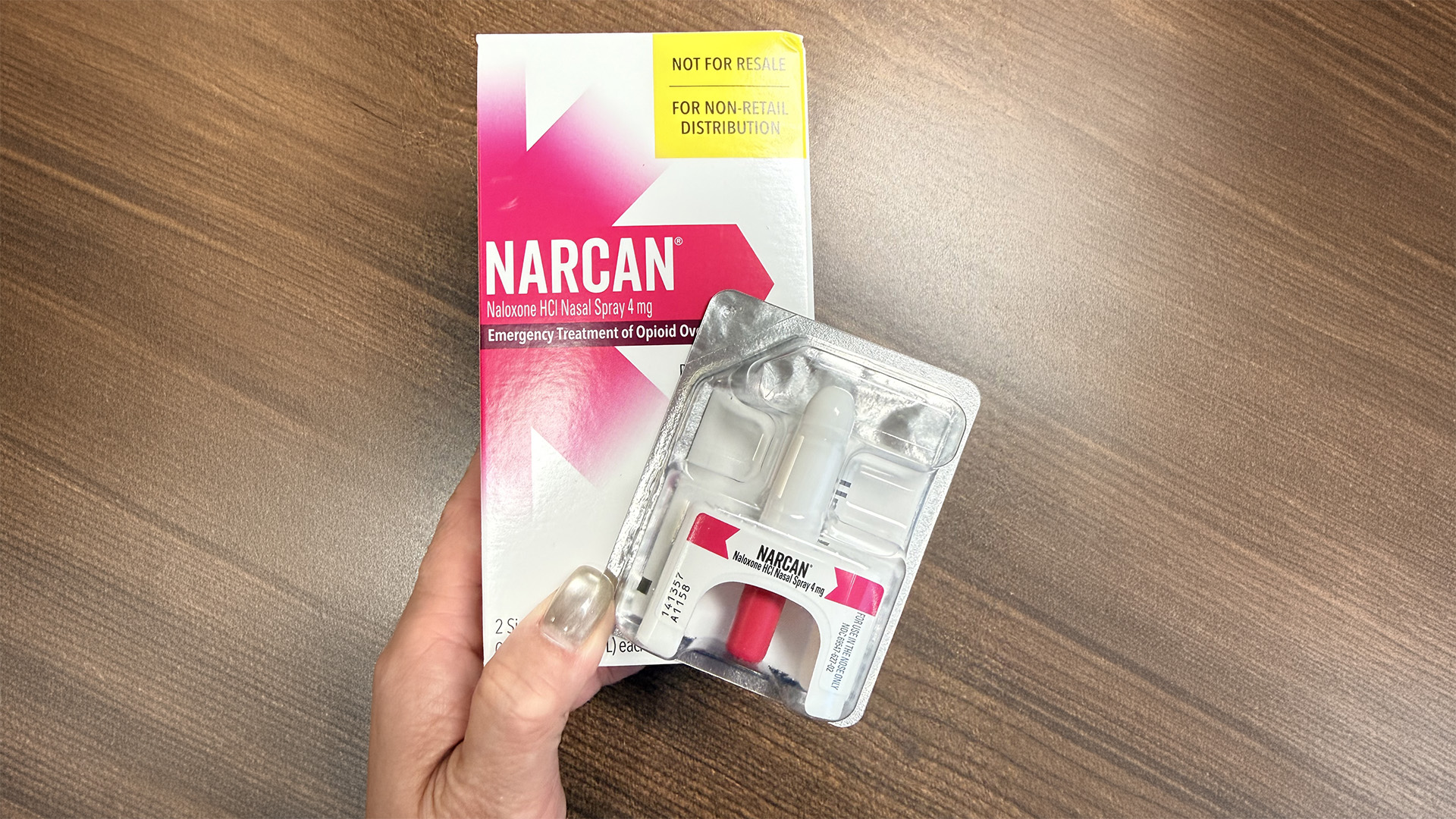
One of the most powerful tools available to prevent an opioid overdose from becoming fatal is also one almost anyone can use: naloxone, a medication that can rapidly reverse the effects of an opioid overdose.
Naloxone, commonly known by the brand names Narcan or RiVive, has become more visible in recent years thanks to successful public awareness campaigns, but the medication itself is far from new. It was first approved by the U.S. Food and Drug Administration in 1971 and has been used to reverse opioid overdoses for more than 50 years. Community organizations have also been training people without medical backgrounds to administer naloxone since the 1990s.
Today, naloxone is the standard treatment for opioid overdose, and nasal spray versions are designed to be safely administered by people with or without medical training. Yet despite decades of use, misconceptions about naloxone can still keep people from carrying it or feeling confident enough to act in an emergency.
Prue Cooper, Pacific Clinics’ director of paraprofessional/substance use disorder training & innovation, has seen just how much difference having naloxone on hand can make:
“Naloxone is so simple to use that a teenage Pacific Clinics client, after attending a single informational session on Narcan, used it a week later to save a man’s life on a train station platform. One simple tool and a father and husband is alive, with an impact that will ripple through countless other lives.”
Knowing the facts can help more people be ready to do the same. Drawing on guidance from the California Department of Public Health, here are answers to some common misconceptions about naloxone.
Naloxone: Myth vs. Fact
MYTH: Naloxone is only something first responders or medical professionals need to know how to use.
FACT: Anyone can carry and administer naloxone. In California, no prescription, special permission or training is required to carry over-the-counter naloxone. Nasal spray versions are designed so that people without medical training can use them in an emergency.
Training can help you recognize an overdose and feel more prepared, but don’t let a lack of training stop you from acting. If you suspect someone is experiencing an opioid overdose, administer naloxone and call 911.
MYTH: I could hurt someone — or get in trouble — by giving them naloxone if I’m not sure they’re experiencing an opioid overdose.
FACT: Naloxone will not harm someone if opioids are not present in their body, and it is not addictive. If someone is unconscious or difficult to wake, has slow or stopped breathing, is making choking or gurgling sounds or shows other signs of a possible opioid overdose, the California Department of Public Health recommends administering naloxone immediately and calling 911.
California law also protects people who act in good faith to provide emergency care, including administering naloxone.
MYTH: If naloxone works and the person wakes up, the emergency is over.
FACT: Naloxone can temporarily reverse an opioid overdose, but the person still needs emergency medical attention. Always call 911 when you suspect an overdose, even after administering naloxone.
MYTH: There’s no reason for me to carry naloxone if opioid use isn’t part of my life.
FACT: You may never need to use it, but having naloxone available means you may be able to help someone else in an emergency.
California has worked to make naloxone increasingly available in communities across the state. Since 2018, the California Department of Health Care Services’ Naloxone Distribution Project has provided free naloxone to organizations in all 58 counties in California, with more than 400,000 overdose reversals reported through the program.
Knowing how to recognize an overdose, keeping naloxone nearby and being prepared to act are simple steps that can give someone another chance to get the help they need.
Build Your Confidence to Respond
You don’t need special training to carry or administer over-the-counter naloxone in California, but a little knowledge can make an unfamiliar situation feel much less intimidating. Learning to recognize the signs of an opioid overdose, seeing how naloxone is administered and knowing what to expect can help you feel more confident stepping in if someone needs help.
Statewide
California Department of Public Health Naloxone Resources — Learn how to recognize an opioid overdose, administer naloxone and find additional resources.
Bay Area
Santa Clara County offers short trainings online and in person covering overdose recognition, response and Narcan administration.
Los Angeles/South Coast
The LA County Library partners with the county Department of Public Health to distribute free naloxone with a brief administration training at participating library locations. No ID, insurance or payment is required.
Capital Region
The Sacramento County Opioid Coalition offers free naloxone and other overdose-prevention resources
Central Region
Fresno County directs residents to obtain naloxone at no cost from either Fresno County Public Health or Community Regional Medical Center.
Inland Empire
San Bernardino County offers a naloxone training video, quick-start guide, free naloxone order page and the option to request an in-person naloxone training.