



The Hidden Impact of PTSD on Families: Understanding Trauma’s Ripple Effect
When people think about post-traumatic stress disorder (PTSD), they often focus on the individual experiencing it. What is discussed less often is how trauma can affect the people closest to them, influencing relationships, parenting and family life in ways that may not always be obvious.
As PTSD Awareness Month, Men’s Mental Health Month and Father’s Day are all recognized this June, it’s an opportunity to look beyond the individual experience of trauma and consider how PTSD can also impact spouses, partners, children and other loved ones.
While every person’s experience is different, understanding how PTSD affects families can help create more compassion, stronger relationships and pathways to support.
PTSD Doesn’t Always Look Like What People Expect
PTSD can develop after experiencing or witnessing a traumatic event. While many people associate PTSD with military service, trauma can stem from a wide range of experiences, including abuse, neglect, violence, accidents, natural disasters, the loss of a loved one or other overwhelming life events.
Symptoms may include:
- Difficulty sleeping
- Increased irritability or anger
- Avoidance of certain people, places or situations
- Feeling constantly on guard Trouble concentrating
- Emotional numbness or feeling disconnected from others
These symptoms are often adaptive responses, as the mind and body attempt to protect a person after a traumatic experience.
“Part of what we mean by trauma is that an event may have happened in the past, but it can take on its own life in the present,” said Chris Eggleston, MD, Medical Director of Northern California, Central Valley, Inland Empire Regions & LynCentro Division.
Those experiences can continue to shape how people respond to stress, relationships and feelings of safety long after the event itself.
How PTSD Can Affect Relationships
Living with PTSD can make it harder to communicate openly, express emotions or feel connected to others. A person may withdraw from conversations, avoid social situations or become easily overwhelmed by everyday stressors.
For partners and family members, these changes can be confusing. A spouse may feel shut out. A child may sense tension at home without understanding why. Family members may mistakenly interpret avoidance or emotional distance as a lack of interest or care.
In reality, many people living with PTSD deeply value their relationships, but struggle with symptoms that make connection more difficult.
The Impact on Parenting
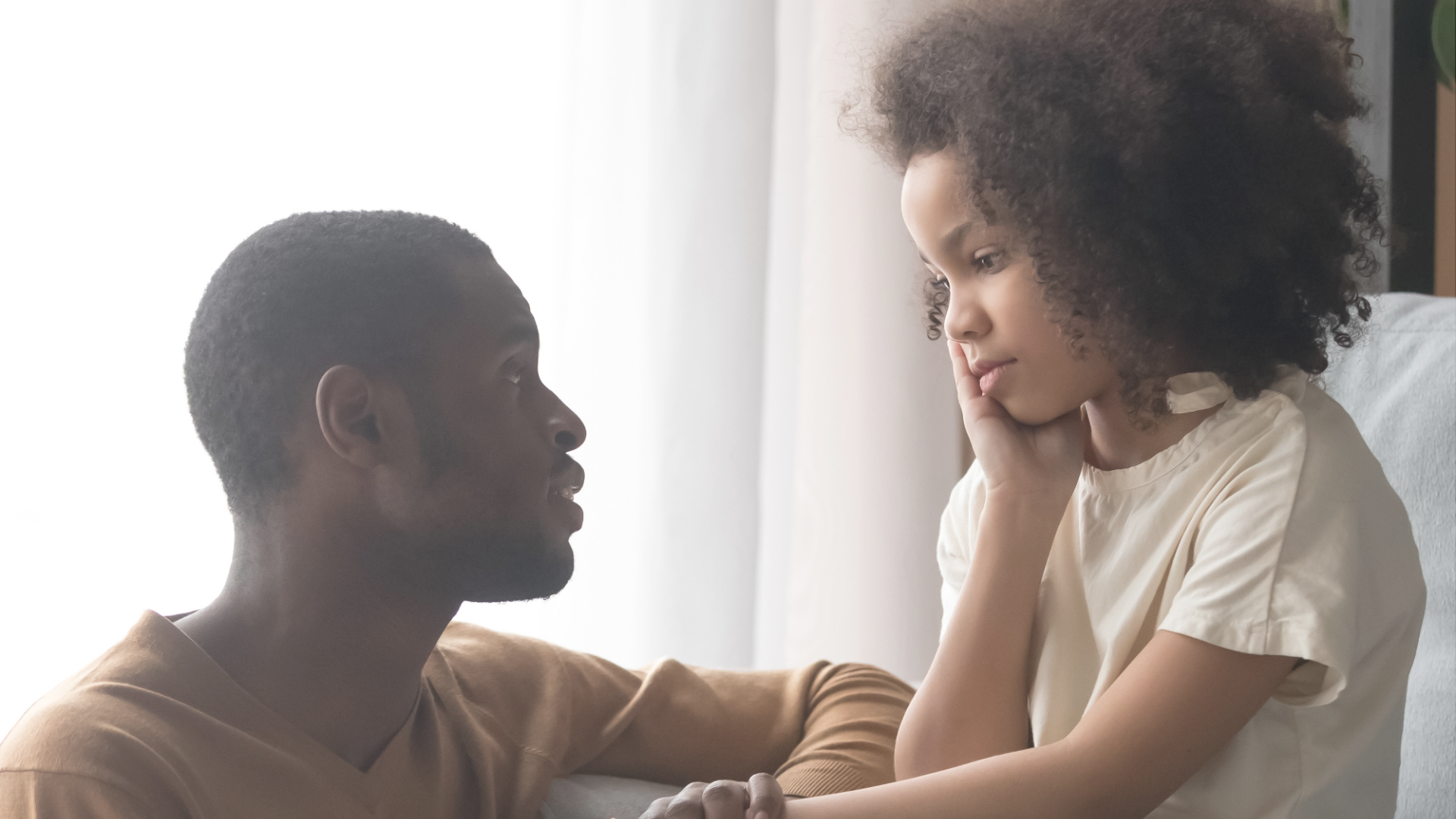
Children are often more aware of what is happening at home than adults realize. Even when a parent tries to hide their struggles, changes in mood, communication or routines can be noticed by the people closest to them.
“Children naturally look to caregivers for cues about whether the world is safe,” Chris said. When caregivers are overwhelmed by ongoing stress or trauma, children may develop a heightened sense of threat themselves, which can affect how they explore, learn and navigate the world around them.
A 2023 study of children and adolescents ages 9 to 17 living with a parent who has PTSD found that young people often noticed changes in family relationships, emotional predictability and overall household dynamics. The findings highlight how trauma can shape the experiences of an entire family, even when children may not fully understand what their parent is going through.
Parents living with PTSD may find themselves becoming more protective, emotionally withdrawn or less patient during stressful moments. Some may struggle to be fully present because they are managing symptoms that others cannot see. Over time, children can pick up on these signals, even when a parent is doing their best to shield them.
This can be especially important to recognize during Men’s Mental Health Month and around Father’s Day. Many fathers feel pressure to be strong, provide for their families and handle challenges on their own. As a result, some men may be less likely to talk about emotional struggles or seek support when they need it.
But seeking help is not a sign of weakness. In many cases, it is one of the strongest steps a parent can take for themselves and their family.
Support Is Available
Navigating the effects of trauma can be challenging, but families do not have to do it alone. Counseling can provide a safe space to process difficult experiences, strengthen relationships and develop healthy coping strategies.
Some parents may hesitate to seek support because they worry that asking for help could lead to judgment, family disruption or involvement from child welfare agencies.
“There’s a pretty common fear that if a parent reaches out for help, there’s a significant chance they’ll lose their child,” Chris said. “In reality, professionals look very differently at a parent who says, ‘I’m concerned about my child and I want to do the best I can.'”
According to Chris, seeking support is most often viewed as a sign that a parent is taking step to create a safer, healthier and happier environment for their family.
Why Understanding Matters
Families do not need to become mental health experts to support a loved one living with PTSD. Small acts of understanding can make a meaningful difference.
Learning about PTSD can help family members recognize that certain behaviors may be symptoms rather than intentional actions. Open conversations can reduce misunderstandings and create opportunities for connection.
It is also important for family members to care for their own well-being. Supporting someone through a mental health challenge can be difficult, and caregivers deserve support, too.
Healing Happens Together
PTSD can affect the entire family, but families can also play an important role in the healing process.
According to Chris, one of the most encouraging aspects of trauma treatment is helping people understand that their past does not define them.
“Many (clients) come to believe they’re bad, crazy or defective because that’s what makes sense of the world they’ve experienced,” he said. “But they’re not. They’ve been through exceptional experiences.”
Chris notes that human beings are remarkably adaptive. With the right support, individuals and families can learn new ways of responding to stress and build healthier patterns over time.
“One of the most uplifting things I get to do is to say to a young person or a parent: ‘There’s really nothing wrong with you, and what you’re experiencing makes sense,’” he said. “We have a roadmap that can help this get better, and with treatment, the outlook is really positive.”
No one has to navigate trauma alone. Whether support comes from loved ones, a trusted professional or a community of care, healing is possible.