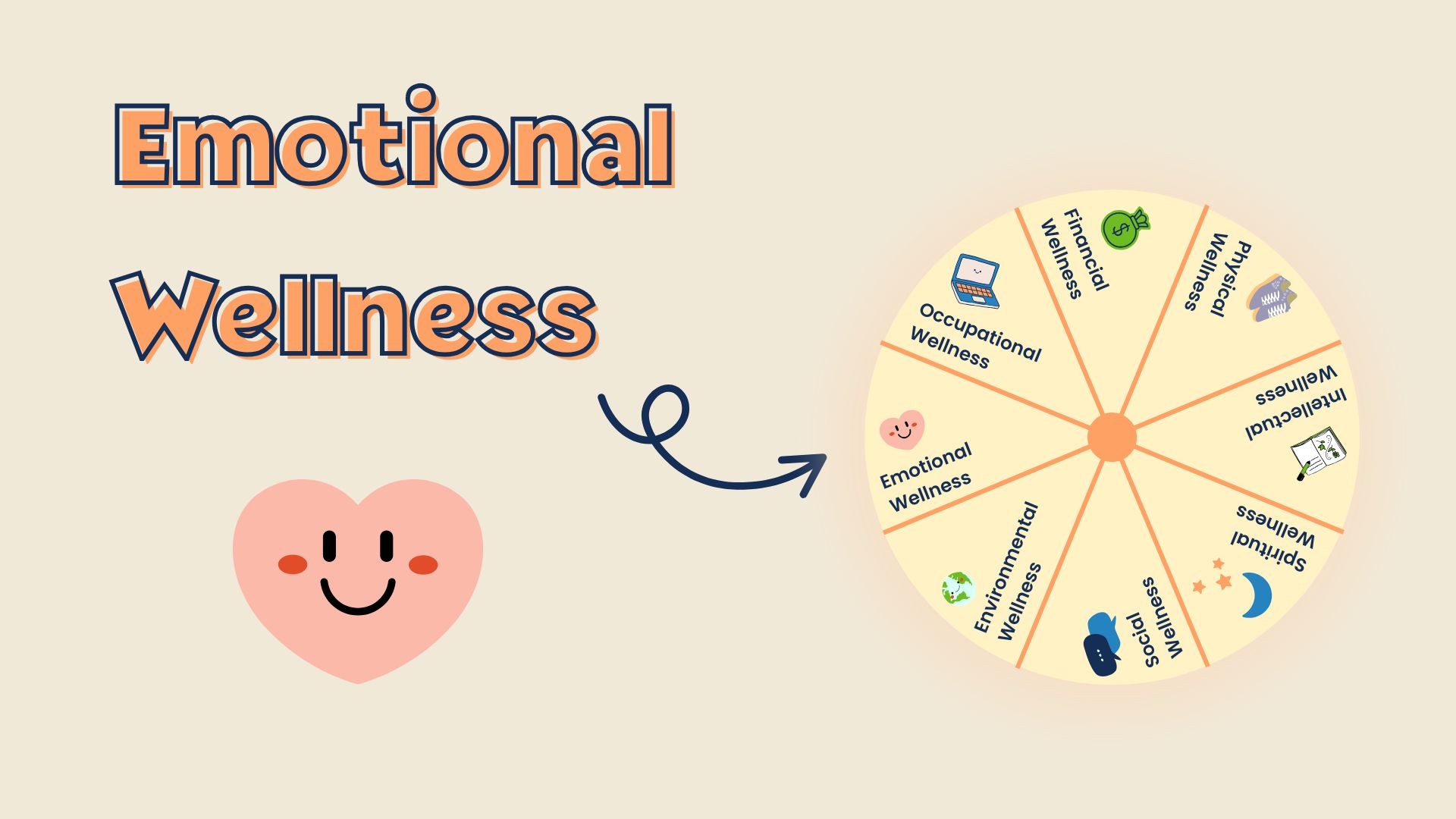



The Wellness Wheel is a tool used by psychologists to show how various areas of life contribute to overall well-being. It includes eight key dimensions: emotional, physical, social, spiritual, occupational, environmental, intellectual and financial health. Each month, we will explore a different element and its importance.
Social wellness is an important aspect of overall well-being, yet it’s not always the easiest to maintain. It refers to the quality of your relationships and your ability to connect meaningfully with others and your community. For individuals living with depression, anxiety, or other mental health disorders, these connections may take more effort, but social connections are possible for everyone, regardless of their challenges, and the benefits are profound.
Taking a Closer Look at Your Relationships
How do you feel about the way you relate to the people in your life? Do you feel connected to the community around you? “Community” can mean neighbors, classmates, coworkers, people who share your interests or cultural background, or members of a support group.
Building meaningful connections takes time and intentionality. If you would like to build more intentional social connections, start by:
- Recognizing what you need and enjoying your relationships.
- Communicating your needs with people who make you feel safe. (Verbalizing your needs will help with understanding what aligns with you.)
- Being cognizant of others’ needs.
- Finding ways to connect with people in social settings, such as community events, in-person classes, social gatherings, or even meeting up with someone you haven’t seen in a while.
- Recognizing when you should change your social environment to meet your needs.
Nurturing Positive Relationships
Difficulties with family, friends and co-workers can arise. However, there are always ways to fix them.
Healthy relationships are built on trust, respect, honest communication and mutual awareness of needs. Boundaries are crucial since they protect your emotional and physical safety while allowing you to foster stronger connections.
To nurture positive relationships, you can:
- Discover more about yourself through journaling and meditation. This will help you identify what soothes and triggers you.
- Join a support group that can offer you valuable resources and constructive feedback.
- Set and achieve wellness goals. This can help you with boundary-setting.
- Read wellness books.
- Talk to a trusted person, such as a mental health professional.
Making Friends and Expanding Your Circle
For those who identify as introverted, creating new social connections can feel daunting.
Start by noticing people you already know who you’d like to get to know better. Maybe it is someone at work, a friendly neighbor, or a friend of a friend. Reaching out to one or two individuals can naturally open the door to deeper connections.
Remember, it’s okay to be the one to make the first move, even if it feels uncomfortable. Friendships rarely form by chance; they often require small steps, such as sending a message, inviting someone to get coffee, or starting a conversation about a clothing piece you like. Showing glimpses of your authentic self can foster genuine connections. This might look like:
- Sharing your thoughts or feelings honestly
- Expressing appreciation for someone’s support
- Being open about your preferences, boundaries, or challenges
Healthy vulnerability allows others to understand you more fully and builds trust over time. It might be uncomfortable, but you might be surprised by how receptive people can be.
Recognizing When to Step Back
All relationships face tension. However, repeated feelings of disrespect, discomfort, or judgment signal that you may need to set limits. Protecting your emotional and physical well-being is not selfish—it’s essential. This might mean spending less time with certain people or engaging with them in specific contexts where you feel safe.
Reducing Isolation and Loneliness
Isolation can happen for many reasons, including relocation, health challenges, financial stress, or anxiety. While occasional solitude can be restorative, prolonged isolation can have a detrimental impact on both mental and physical health. Finding ways to maintain connection, even in small ways, can make a meaningful difference. Strategies include:
- Reaching out to friends, family, or mentors regularly
- Attending local events, clubs, or volunteer activities
- Exploring online communities or virtual meetups
- Trying new hobbies or revisiting interests that can introduce you to like-minded people
Practices to Strengthen Social Wellness
Social wellness thrives when you cultivate supportive relationships and a sense of belonging. Some ways to strengthen this aspect of your life include:
- Reflecting on which connections feel uplifting and which may need adjustment
- Keeping in touch with friends, family, and mentors
- Engaging in group discussions, practicing active listening, and offering support
- Joining organizations, clubs, or volunteer groups that align with your interests
- Taking small, intentional steps to meet new people while staying true to yourself
In general, social wellness is about fostering trust, empathy, and understanding. By nurturing these connections, you build a foundation of support that enriches your life, strengthens your resilience, and contributes to overall well-being. Whether through small gestures, such as calling a friend or joining a new community activity, every effort to connect meaningfully can have a lasting impact.
Cynthia Avila Reyes, clerk, said, “I believe that maintaining a healthy social circle helps me thrive in the other aspects of my life.” For those looking to enhance their social wellness, she suggests, “remember to give yourself some time to connect with nature, friends or family. Also, take time to disconnect and clear your mind. Play a game/read a book, etc. Take time to nourish your friendships, especially those who have always been there for you.”