



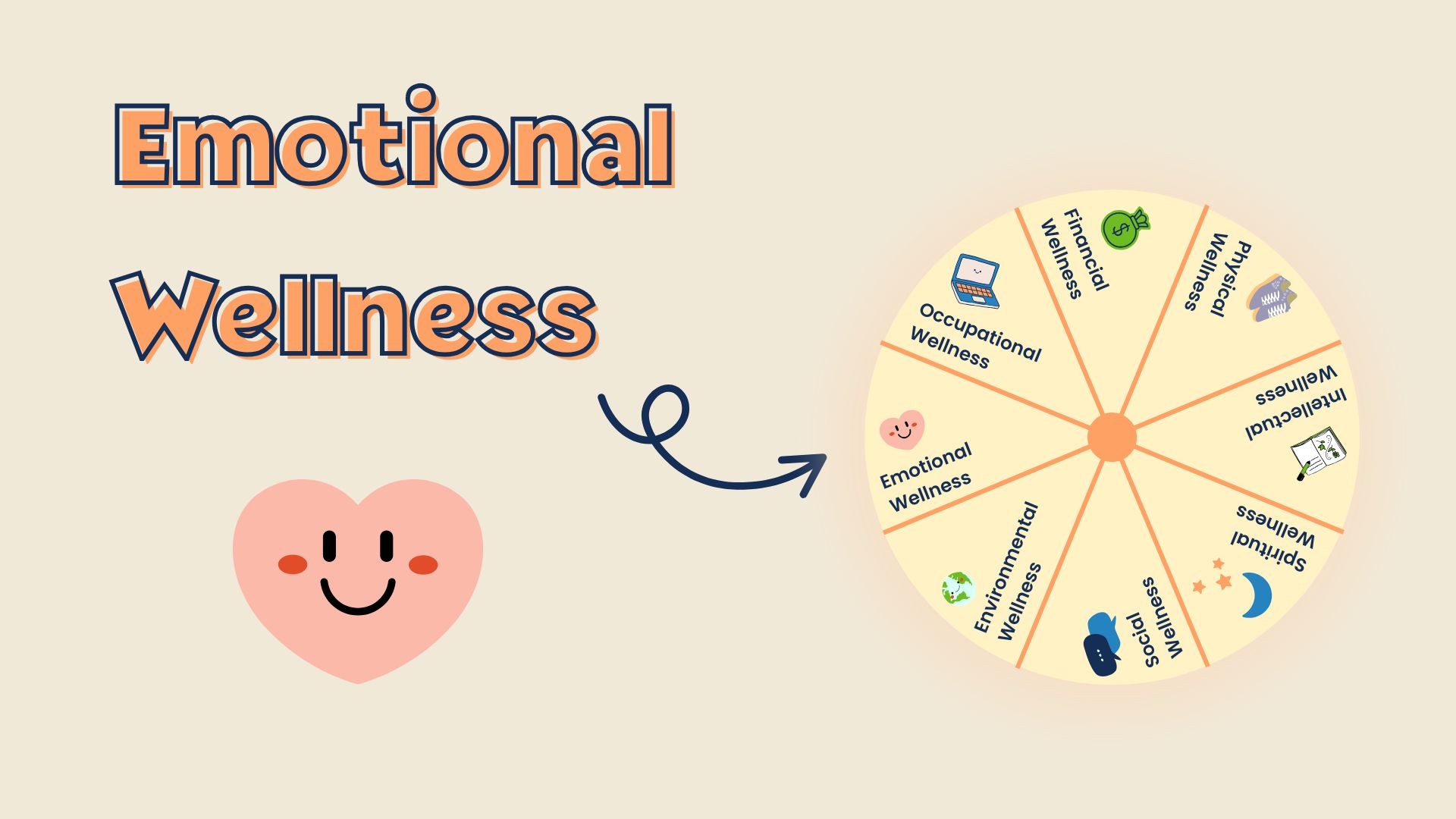
The Wellness Wheel is a tool used by psychologists to show how various areas of life contribute to overall well-being. It includes eight key dimensions: emotional, physical, social, spiritual, occupational, environmental, intellectual and financial health. Each month, we will explore a different element and its importance.
Wellness is a balance of interconnected dimensions that make up who we are, and emotional wellness often acts as the glue that holds all other eight dimensions together. It influences our behavior, shaping how we think, what we feel and how well we can function across every area of our lives.
Emotional wellness is about recognizing, understanding and managing our feelings in constructive ways. It’s the foundation that helps us navigate relationships, handle stress and recover from setbacks. When this dimension is nurtured, it strengthens every other part of our wellness wheel.
Emotional Wellness in Times of Crisis or Uncertainty
A lot is happening all around us. Many people find themselves absorbing stress from headlines, social media or community discord without realizing how it shapes their emotional state.
Acknowledging this emotional climate is the first step. It’s normal to feel weary, worried or overwhelmed. What matters is how we respond. Limiting doom-scrolling, engaging in mindful media consumption and reconnecting with supportive people can make a profound difference.
Tools from Positive Psychology: Building Resilience and Balance
The good news is that emotional wellness is something we can practice and strengthen over time. Positive psychology, the science of what makes life worth living, offers powerful, research-based tools to cultivate balance and well-being. Some tips from Harvard University on practicing positive psychology are:
- Gratitude. Practicing gratitude shifts focus from scarcity to abundance. Studies by Emmons & McCullough show that people who keep gratitude journals report better mood, stronger relationships and improved sleep.
- Savoring. This term refers to lingering on small moments of joy: your morning coffee, a kind word or the warmth of an afternoon’s sunlight. Savoring helps rewire the brain towards a sense of calm and peacefulness, positivity and contentment.
- Resilience. Resilience isn’t about denying pain but adapting and finding meaning through it. Research done on optimism and learned resilience by Martin Seligman, a psychologist, educator and author who is well-known within the scientific community for his theories of well-being and positive psychology, demonstrates how reframing adversity can lead to improved long-term mental health.
Holding the Wheel Together
When we tend to our emotions with curiosity instead of judgment, we strengthen every other dimension of our well-being. We become better partners, colleagues, parents and friends. Emotional wellness keeps the wellness wheel balanced — and when one spoke falters, it’s the emotional center that helps us steady it again.